Camp Stove Windscreen Safety
A practical step-by-step guide to camp stove windscreen safety, including preparation, instructions, common issues, tips, and next steps.
Camp Stove Windscreen Safety
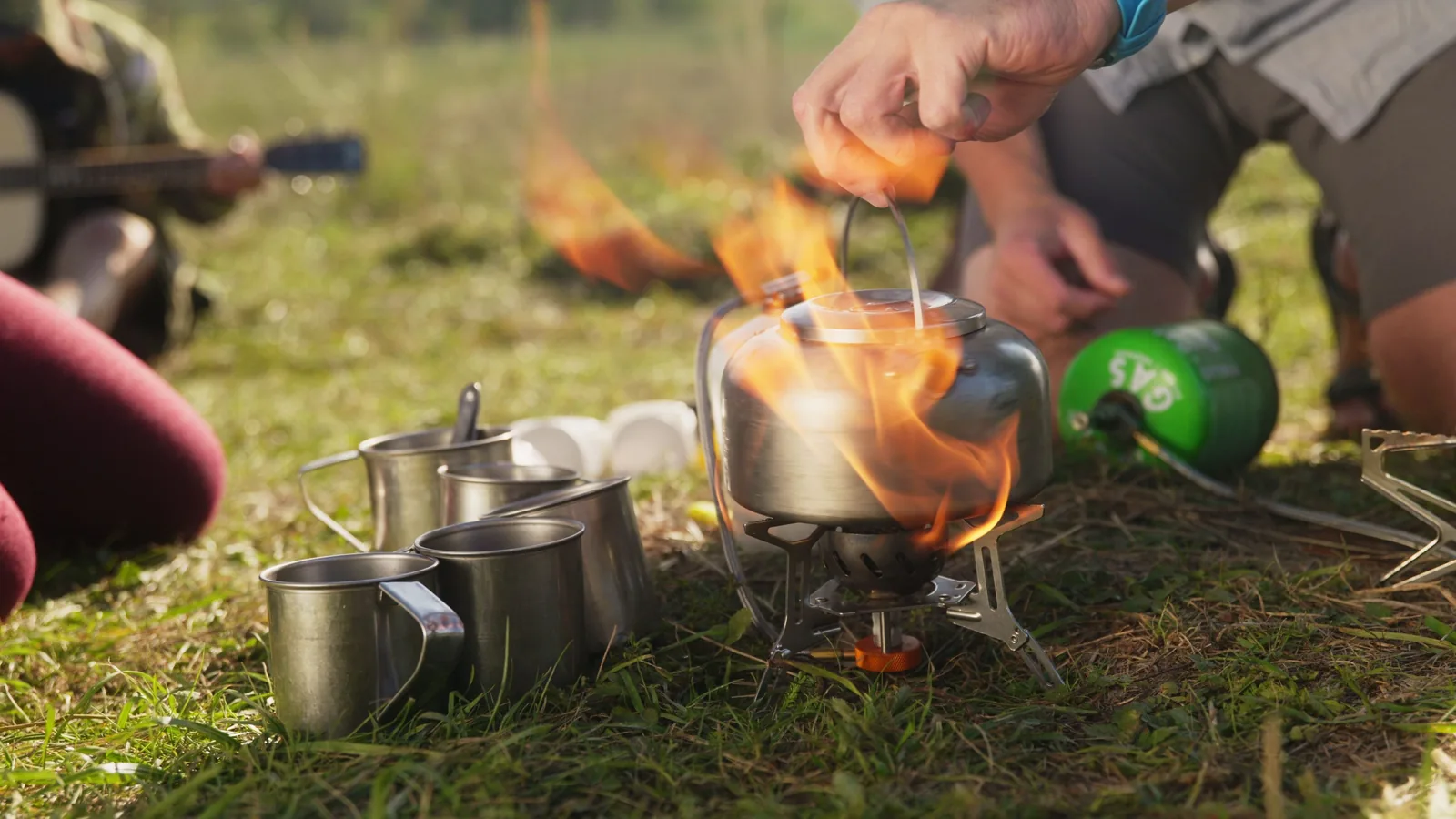
A camp stove windscreen is a simple metal shield that blocks breeze from your burner, but using one incorrectly can trap heat, melt parts, or cause a dangerous gas buildup. This guide walks you through safe selection, setup, use, and shutdown so you stay warm, cook reliably, and avoid accidents.
Fast Answer
- Always leave a gap between the windscreen and the stove body, and never wrap it tightly around the fuel canister or hose.
- Check the windscreen for stability and clearance before lighting, and shut off the fuel if you smell gas or see scorching.
Before You Start
- Read your stove and windscreen manuals for specific clearance distances and any warnings about enclosing the burner.
- Inspect the windscreen for bends, rust, or sharp edges that could cut you or block proper airflow.
- Choose a flat, fire-resistant surface away from dry grass, overhanging branches, and tent fabric.
- Test the stove without the windscreen first to confirm the flame is steady and the fuel connection is tight.
Step-by-Step Instructions
Choose the Right Windscreen Type
Start by matching the windscreen to your stove design. A folding panel screen with separate panels works well for canister stoves because it lets you leave an open side for airflow. A circular or wrap-around screen is better for liquid-fuel stoves that have a separate fuel bottle and a pump, but it still must have a gap at the bottom. Do not use a homemade screen made from cardboard, plastic, or thin foil near an open flame. Before you buy or build anything, check your stove manual for the recommended clearance in inches or centimeters. A practical check is to set the screen in place and slide your hand between the screen and the burner; if your hand touches both sides at once, the gap is too small. That gap matters because it lets oxygen reach the flame and lets heat escape instead of soaking into the fuel canister or hose.
Position the Windscreen for Airflow
Place the stove on a level, fire-resistant surface such as bare dirt, sand, or a flat rock. Set the windscreen on the side the wind is coming from, but angle it so the open side faces away from the wind and toward you. The screen should block the breeze without forming a closed box around the burner. Leave at least a hand-width gap between the screen and the stove body, and keep the screen at least a few inches away from the fuel canister or fuel bottle. A practical check is to look down from above: you should see the burner and part of the ground around it, not a sealed tunnel. This matters because a sealed tunnel traps heat and exhaust, which can raise canister pressure and create carbon monoxide. If the wind shifts, move the screen rather than bending it tight around the stove.
Secure the Screen Against Gusts
Once the screen is positioned, secure it so a gust cannot blow it into the flame or knock the stove over. Push the screen's stakes or legs into the ground, or set heavy stones along the base if the ground is too hard. Do not use rocks that have been in a river or damp area, because trapped moisture can crack or explode when heated. Keep the securing weights away from the burner and fuel line. A practical check is to give the screen a gentle nudge with your foot; it should flex slightly but not tip over or touch the stove. This check matters because a loose screen can fall onto the burner, melt, or tip the pot and spill hot food. If the ground is rocky, use a flat rock as a base and place the screen on top, then weight the corners with smaller stones.
Light the Stove and Adjust the Flame
With the screen in place, turn on the fuel and light the stove according to the manufacturer's instructions. Start with a low flame and watch how the screen affects it. The flame should be blue and steady, not yellow, lazy, or lifting away from the burner. If the flame turns yellow or the stove roars, the screen may be too close or blocking too much air. Turn off the fuel, let the stove cool, and move the screen farther away or open a gap. A practical check is to hold your hand near the top edge of the screen after the stove has run for a minute; you should feel warm air rising, not a blast of trapped heat. This matters because a starved flame burns inefficiently and can produce carbon monoxide. Adjust the screen, not the fuel, until the flame looks normal.
Monitor Heat and Fuel During Cooking
While you cook, stay with the stove and check the screen and fuel container every few minutes. Touch the fuel canister or fuel bottle carefully with the back of your hand; it should be cool or slightly warm, never hot. If it feels hot, turn off the fuel immediately and let everything cool before moving the screen farther away. Watch for steam, smoke, or a hot metal smell coming from the screen or the stove body. A practical check is to look at the gap between the screen and the burner; if the gap is closing because the screen is warping, stop cooking and let it cool. This matters because a canister that overheats can vent fuel or burst, and a warped screen can direct heat onto the fuel line. Keep a pot lid or a metal sheet nearby to smother a small fire if needed.
Shut Down and Cool Safely
When you finish cooking, turn off the fuel at the source first, then let the flame burn out. Do not blow out the flame or cover the burner with the screen to smother it. Wait until the stove and screen are completely cool before you touch or pack them. A practical check is to hold your hand an inch above the screen; if you feel any warmth, wait longer. This matters because hot metal can melt tent fabric, burn your skin, or ignite fuel vapors when you pack. Once cool, remove the screen and check for black soot, melted plastic, or bent panels. Clean soot with a soft cloth, and straighten bent panels if you can do so without cracking the metal. Store the screen flat or rolled according to its design, and keep it away from sharp tools that could puncture or bend it.
Quick Reference
| Situation | Action | Why it helps |
|---|---|---|
| You smell gas or hear a hissing sound near the stove. | Turn off the fuel valve immediately, move the stove and screen away from tents and people, and do not relight until you find and fix the leak. | A leak can feed a fire or create an invisible cloud of fuel that ignites suddenly when you strike a match or lighter. |
| The fuel canister feels hot to the back of your hand. | Shut off the fuel, let the canister cool in open air away from the stove, and then reposition the screen farther away or remove it entirely. | Heat raises pressure inside the canister, which can cause it to vent flammable gas or rupture, leading to a dangerous flash fire. |
| The flame turns yellow and the stove roars instead of humming. | Turn off the fuel, wait for the stove to cool, and open a larger gap between the screen and the burner or rotate the screen so more air reaches the flame. | A yellow, roaring flame means incomplete burning, which produces carbon monoxide and wastes fuel while giving less heat for cooking. |
Common Issues
- The windscreen keeps falling over in strong wind.: Push the screen stakes deeper into the ground or place heavy rocks along the base, but keep the rocks away from the burner and fuel line. If the ground is too hard, use a flat rock as a platform and weight the screen's corners with smaller stones. Check stability with a gentle nudge before lighting.
- The stove flame becomes weak or sputters when the screen is in place.: Move the screen farther from the burner or rotate it so the open side faces the wind. Check that the gap at the bottom is clear of dirt or debris. If the flame stays weak, remove the screen and test the stove alone to see if the problem is fuel pressure or a clogged burner.
- The screen gets too hot to touch and scorches the ground.: Turn off the fuel and let everything cool. Place the stove on a fire-resistant mat or bare mineral soil, and increase the distance between the screen and the burner. Never set the screen on dry leaves, pine needles, or roots. If the ground is flammable, choose a different spot entirely.
Advanced Tips
- Make a custom gap gauge from a small piece of metal or wood and keep it with your stove; use it to check the clearance between the screen and the burner every time you set up.
- In cold weather, warm the fuel canister with your hands or inside your jacket before lighting, but never use the windscreen to trap heat around the canister because that can cause dangerous pressure buildup.
- Practice setting up your stove and screen at home in calm conditions, then try it outdoors in a safe, open area, so you can adjust quickly when wind and cold make fine motor tasks harder.
Final Checklist
- Confirm the windscreen leaves a hand-width gap between the screen and the stove body and fuel container.
- Check that the stove sits level on a fire-resistant surface away from dry grass, tent walls, and overhanging branches.
- Verify the screen is secured against wind gusts and cannot tip into the flame or knock over the pot.
- Test the flame after lighting: it should be blue and steady, with no yellow tips, roaring, or signs of overheating.
FAQ
Can I use a windscreen inside a tent?
No. Even with a screen, a stove inside a tent can produce carbon monoxide, a colorless and odorless gas that can kill you in a sealed space. The screen also traps heat that can melt tent fabric or overheat the fuel canister. Always cook outside in a well-ventilated area, and keep the stove away from tent walls and entrances. If weather forces you to cook near a tent, use a vestibule only if it is fully open and you have a carbon monoxide alarm, but the safest choice is to cook outside.
How far should the windscreen be from the stove?
The exact distance depends on your stove and screen, so check your manual for a specific clearance. As a general rule, leave at least a hand-width gap between the screen and the burner, and keep the screen several inches away from the fuel canister or fuel bottle. The gap lets oxygen reach the flame and lets heat escape instead of soaking into the fuel. If the screen feels too hot to touch or the flame turns yellow, increase the distance until the flame is blue and steady.
What should I do if the windscreen melts or warps?
Turn off the fuel immediately and let the stove and screen cool completely. Do not try to bend or remove a hot screen, because it can burn you or spill hot food. Once cool, inspect the screen for damage. If it is warped, it may no longer provide a safe gap, so replace it or use it only as a last resort with a much larger clearance. If it melted, the material was not suitable for stove use. Choose a metal screen designed for camp stoves, and always follow the manufacturer's clearance instructions.