Choosing Gaiters For Muddy Paths
A practical step-by-step guide to choosing gaiters for muddy paths, including preparation, instructions, common issues, tips, and next steps.
Choosing Gaiters For Muddy Paths
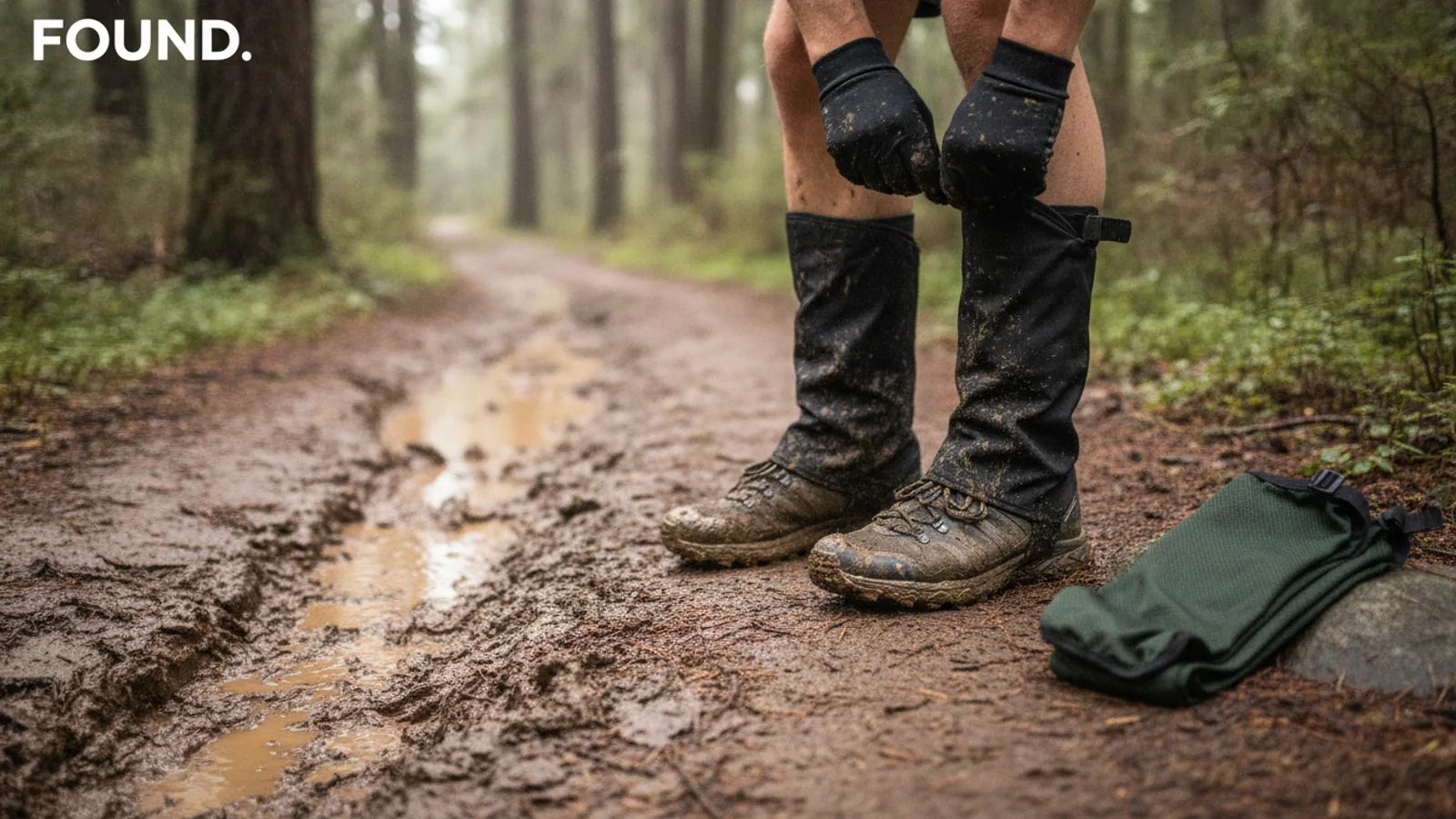
Choosing gaiters for muddy paths is a practical decision that balances protection, comfort, and ease of cleaning. Mud poses unique problems because it clings, seeps, and adds weight with every step. The right pair keeps debris out of your footwear, secures your trousers, and stays put without restricting movement. This guide walks you through assessing your conditions, selecting materials and closures, fitting them properly, and caring for them so they last. You will learn how to match gaiter height to mud depth, pick fabrics that shed muck, and avoid common mistakes like gaps at the ankle or overly tight straps. By the end, you will know exactly what to look for and how to test a pair before you commit to a wet, messy trail.
Fast Answer
- Choose short, low-profile gaiters for shallow mud and tall, knee-high gaiters for deep, splashing muck.
- Prioritize a secure front closure and adjustable underfoot strap, then confirm the top cinches snugly without pinching.
Before You Start
- Measure your lower leg from the top of your shoe to just below the knee, and note the circumference at the widest point of your calf.
- Check the mud depth and terrain type you expect: shallow puddles, deep wallows, or mixed roots and rocks.
- Inspect your footwear and trousers for attachment points, such as lace hooks, eyelets, or belt loops, that gaiters can grip.
- Gather a soft tape measure, a notebook, and your chosen footwear so you can compare fit and coverage as you read.
Step-by-Step Instructions
Assess mud depth and coverage needs
Start by honestly judging the mud you will encounter. Shallow, splashing puddles call for ankle or mid-calf gaiters that block splatter without adding bulk. Deep, sucking mud that rises above the ankle demands knee-high coverage to keep muck from pouring over the top. Consider the terrain too: rocky, root-covered paths can snag long gaiters, while open boggy stretches allow taller designs. As a practical check, stand in your planned footwear and mark on your leg where you want protection to stop. This check matters because a gaiter that ends too low leaves a gap where mud enters, and one that rises too high can catch on branches or overheat your legs. Match height to the worst conditions you expect, not the average, so you are prepared when the path turns wetter than forecast.
Select fabric and membrane for wet mud
Mud behaves differently from rain: it clings, weighs down fabric, and can soak through absorbent materials. Look for tightly woven synthetic fabrics with a durable water-repellent finish, which shed wet mud rather than soaking it up. A waterproof membrane adds protection but can trap sweat, so consider breathability if you will move fast. For very wet, sloppy mud, a non-membrane softshell with a strong repellent finish often works better because it dries quickly and resists abrasion. Check the fabric by rubbing a damp cloth across a sample; if water beads and rolls off, that is a good sign. This check matters because a fabric that wets out becomes heavy and cold, defeating the purpose of the gaiter. Also inspect the lower leg for reinforced panels, since that area takes the most abuse from mud, grit, and undergrowth.
Evaluate closures and attachment systems
The closure system determines how well gaiters seal and how easy they are to put on with muddy hands. Front closures range from hook-and-loop strips to zippers with snap flaps. Hook-and-loop is simple and adjustable but can clog with mud; zippers are faster but may jam if grit gets in the teeth. Look for a closure that opens wide enough to slip over your footwear without a struggle. At the bottom, an underfoot strap or cord keeps the gaiter from riding up. Check that the strap is replaceable and made of a durable material that resists abrasion. This check matters because a worn or fixed strap can fail mid-hike, leaving the gaiter flapping and useless. Also confirm the top has an adjustable cinch, either elastic or a drawcord, to seal against your calf and keep debris from falling inside.
Verify fit around calf and ankle
A proper fit is snug but not restrictive. Measure your calf at its widest point and compare it to the gaiter's stated range. Too loose, and the gaiter shifts, rubs, and lets mud in; too tight, and it restricts circulation or cuts into your leg on long climbs. Pay equal attention to the ankle: the gaiter should sit close around your footwear without gaps. Put on your hiking shoes or boots and the trousers you will wear, then fasten the gaiters. Walk a few steps, crouch, and flex your ankle. The gaiter should stay in place without pulling. This check matters because small fit problems become painful hot spots over distance. If you feel pinching or sliding, adjust the top cinch or try a different size before committing.
Test mobility and secure placement
Gaiters must move with you, not against you. After fitting, perform a series of dynamic tests: step up onto a low ledge, lunge forward, and twist your torso. The gaiter should flex at the ankle and knee without bunching or pulling your trousers. Check that the underfoot strap stays centered under your arch and does not slide toward the heel or toe. If it moves, adjust the front and back attachment points. Also confirm the top edge does not gap when you bend your knee. This check matters because a gaiter that shifts can trip you or create a gap that funnels mud inside. For extra security, tuck the front hem under a lace hook or eyelet if your footwear has one. Walk at least fifty steps on uneven ground to confirm everything stays put before you rely on it in serious mud.
Plan care and cleaning for muddy use
Mud is abrasive and can degrade fabrics and closures over time. After each muddy outing, rinse gaiters with plain water to remove grit, then wipe them with a damp cloth. For stubborn mud, soak them briefly and use a soft brush, but avoid harsh detergents that strip water-repellent finishes. Hang them to dry away from direct heat, which can crack membranes and weaken elastic. Before storing, check the underfoot straps for wear and replace them if frayed. Reapply a fabric-safe water-repellent treatment when water stops beading on the surface. This check matters because a clean, well-maintained gaiter sheds mud better, lasts longer, and stays comfortable. Keep a small brush and a dry cloth in your pack during muddy seasons so you can do a quick field clean and avoid carrying excess weight.
Quick Reference
| Situation | Action | Why it helps |
|---|---|---|
| You are walking a flat, shallow muddy path with occasional puddles. | Choose ankle or mid-calf gaiters with a simple hook-and-loop front closure and a lightweight underfoot cord. | This height blocks splatter without bulk, and the simple closure is easy to clean, making it ideal for mild, wet conditions. |
| You expect deep, sucking mud that rises above your ankles on a long route. | Pick knee-high gaiters with a durable waterproof fabric, a secure top cinch, and a replaceable underfoot strap. | Tall coverage prevents mud from pouring over the top, while a strong strap keeps the gaiter anchored when mud pulls at your feet. |
| Your path mixes mud with rocks, roots, and dense brush that can snag. | Select mid-calf gaiters with reinforced lower panels and a streamlined closure that will not catch on branches. | Reinforcements resist abrasion from rough terrain, and a low-profile design reduces snagging so you can move without constant adjustment. |
Common Issues
- Mud and grit keep entering through the gap at the ankle.: Tighten the underfoot strap and adjust the front attachment so the gaiter hugs your footwear. If a gap remains, try a smaller size or a design with a closer-fitting ankle pattern. Confirm the top cinch is snug but not pinching, as a loose top can let debris fall inside from above.
- The gaiter slides down or twists around your leg while walking.: Check that the underfoot strap is centered and not stretched out. Re-thread the front loop through your laces if possible, and adjust the top cinch to a firmer setting. If sliding continues, the calf fit may be too loose; measure again and consider a different size or an additional elastic band.
- The fabric becomes heavy and soaked after prolonged mud contact.: Switch to a synthetic fabric with a durable water-repellent finish and avoid cotton or absorbent materials. After the outing, rinse and dry the gaiters thoroughly, then reapply a fabric-safe repellent treatment. For very wet mud, a non-membrane softshell often dries faster and stays lighter than a waterproof membrane design.
Advanced Tips
- Layer your trousers over the gaiter top for deep mud, then cinch the gaiter underneath to create a double seal that stops mud from entering at the waist of the gaiter.
- Carry two short lengths of cord as emergency replacement underfoot straps; they weigh almost nothing and can be tied through the gaiter's lower loops if the original strap breaks.
- Before a muddy trip, treat the lower half of your gaiters with a spray-on water repellent and let them dry fully; this makes field cleaning faster and reduces mud cling.
- Rotate between two pairs of gaiters on multi-day wet trips so one can dry while you wear the other, preventing damp fabric from chilling your legs.
Final Checklist
- Confirm the gaiter height matches the deepest mud you expect, with no gap at the ankle and no excess length that could snag.
- Verify the fabric sheds water and resists abrasion, and that it is not made of absorbent material like cotton.
- Test the closure and underfoot strap with your actual footwear and trousers, walking and crouching to check for slipping or pinching.
- Plan a cleaning and drying routine, including a soft brush and a fabric-safe repellent, so the gaiters stay effective and comfortable.
FAQ
Can I use rain gaiters for muddy paths?
Rain gaiters are designed to keep water out, but mud places different demands on them. Mud clings and abrades, so a rain gaiter with a thin membrane may wear quickly or become heavy when coated. If you already own rain gaiters, test them on a short muddy walk. Check whether mud sticks to the fabric and whether the closure clogs. For frequent muddy use, choose a gaiter with a durable water-repellent finish and reinforced lower panels. Always confirm the gaiter fits over your footwear and stays secure, because a loose rain gaiter can funnel mud inside just as easily as rain.
How do I stop gaiters from rubbing my legs?
Rubbing usually comes from a poor fit or a seam in the wrong place. First, ensure the top cinch is snug but not tight enough to restrict circulation. Wear the socks and trousers you plan to use, then walk and crouch to see if the gaiter shifts. If it does, adjust the underfoot strap and front attachment. Look for gaiters with flat seams or seam-free construction around the calf. If rubbing persists, try a different size or a model with a softer lining. Never ignore a hot spot; stop and adjust before it becomes a blister. A properly fitted gaiter should feel secure without pinching or sliding.
What is the best way to clean muddy gaiters?
Rinse them with plain water as soon as possible after use to remove grit. For dried mud, soak the gaiters briefly, then use a soft brush to loosen debris. Avoid harsh detergents, which can strip water-repellent finishes. Hang them to dry away from direct heat or sunlight, which can damage membranes and elastic. Before storing, check the underfoot straps and replace them if frayed. When water stops beading on the fabric, apply a fabric-safe water-repellent treatment according to the product instructions. Regular cleaning keeps the gaiters light, protects the fabric, and helps them shed mud more effectively on your next outing.