Three useful layers, chosen for your pace rather than a perfect forecast. These notes are a starting point for comparing equipment and planning a manageable outing, rather than a claim that we have personally tested every option.
Start with your own plans
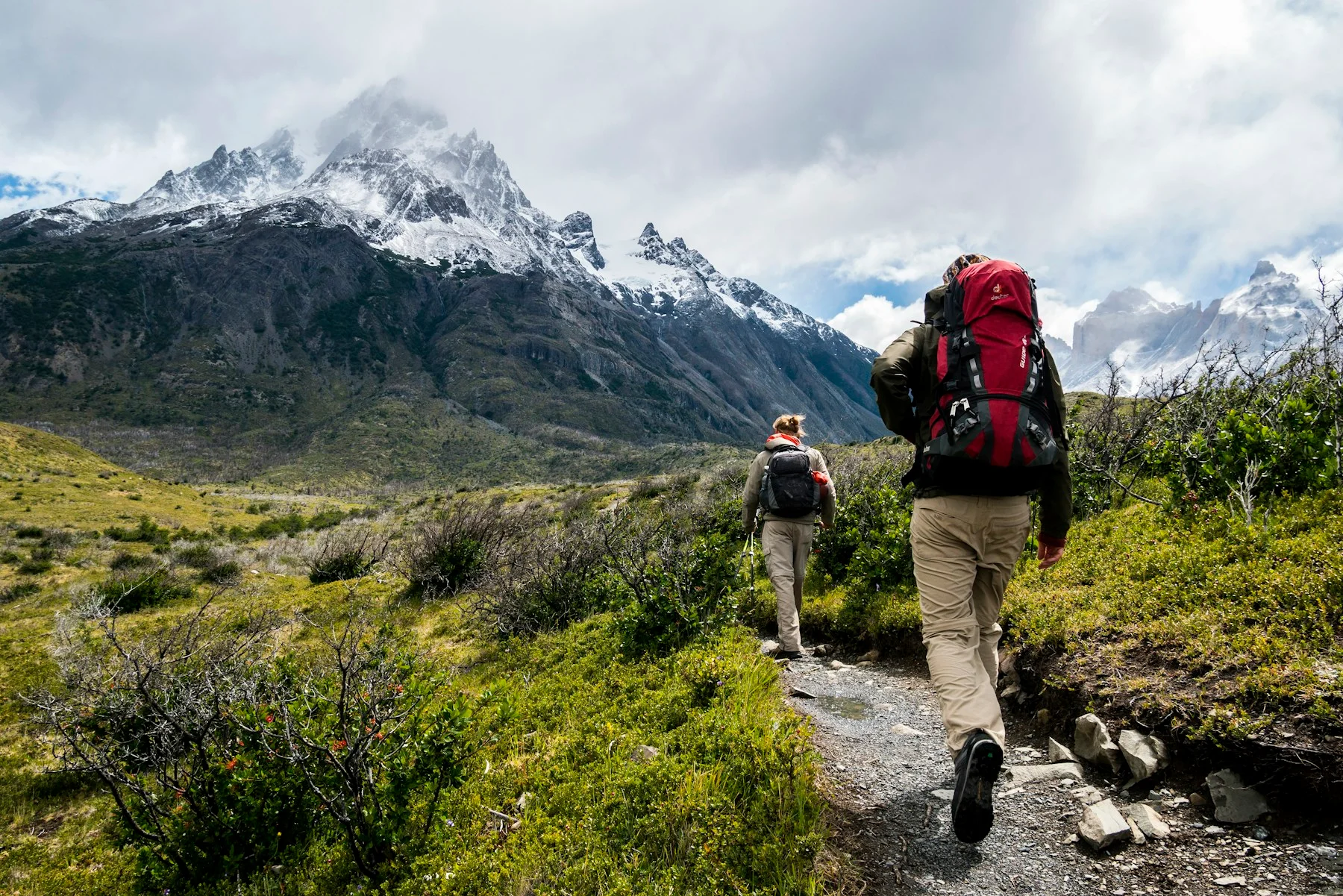
Start with a comfortable next-to-skin layer that moves moisture. Add insulation for breaks, then a shell when conditions call for it. You do not need to wear every layer throughout a walk.
Look at the practical details
Ventilate before you become very warm. A shell with adjustable cuffs or vents can help manage temperature, but open vents can admit rain. Practice adjustments while wearing your backpack.
Before you head out
Check the local forecast and plan for exposed ground, not just the conditions at the car park. Pack additional warmth when the forecast or route requires it. Turn back when the conditions exceed your equipment or experience.
A considered next step
Compare the details against your route, the expected conditions and what you already own. Read the manufacturer’s current specifications and ask a retailer about anything unclear before purchasing.
Keep the weekend equipment checklist close to hand, or browse more outdoor layers notes.