Merino Base Layer Washing
A practical step-by-step guide to merino base layer washing, including preparation, instructions, common issues, tips, and next steps.
Merino Base Layer Washing
Washing merino wool requires a different approach from cotton or synthetics. This guide explains how to clean your base layers without shrinking, felting, or damaging the fibers, so they stay comfortable and last for many seasons.
Fast Answer
- Wash merino wool by hand or on a gentle cycle in cold water with a pH-neutral wool detergent, then lay flat to dry away from heat and sun.
- Avoid hot water, chlorine bleach, fabric softener, and machine drying, as these cause shrinkage, felting, and fiber damage.
Before You Start
- Check the care label on your merino garment for any specific instructions from the manufacturer, as some blends may have different needs.
- Gather a pH-neutral wool detergent or a gentle shampoo, and avoid regular laundry detergents that contain enzymes or bleach.
- Prepare a clean sink or basin with cool water, and have a clean towel ready for blotting excess water after washing.
- If using a washing machine, select the wool or gentle cycle with cold water and a low spin speed to minimize agitation.
Step-by-Step Instructions
Prepare the washing area
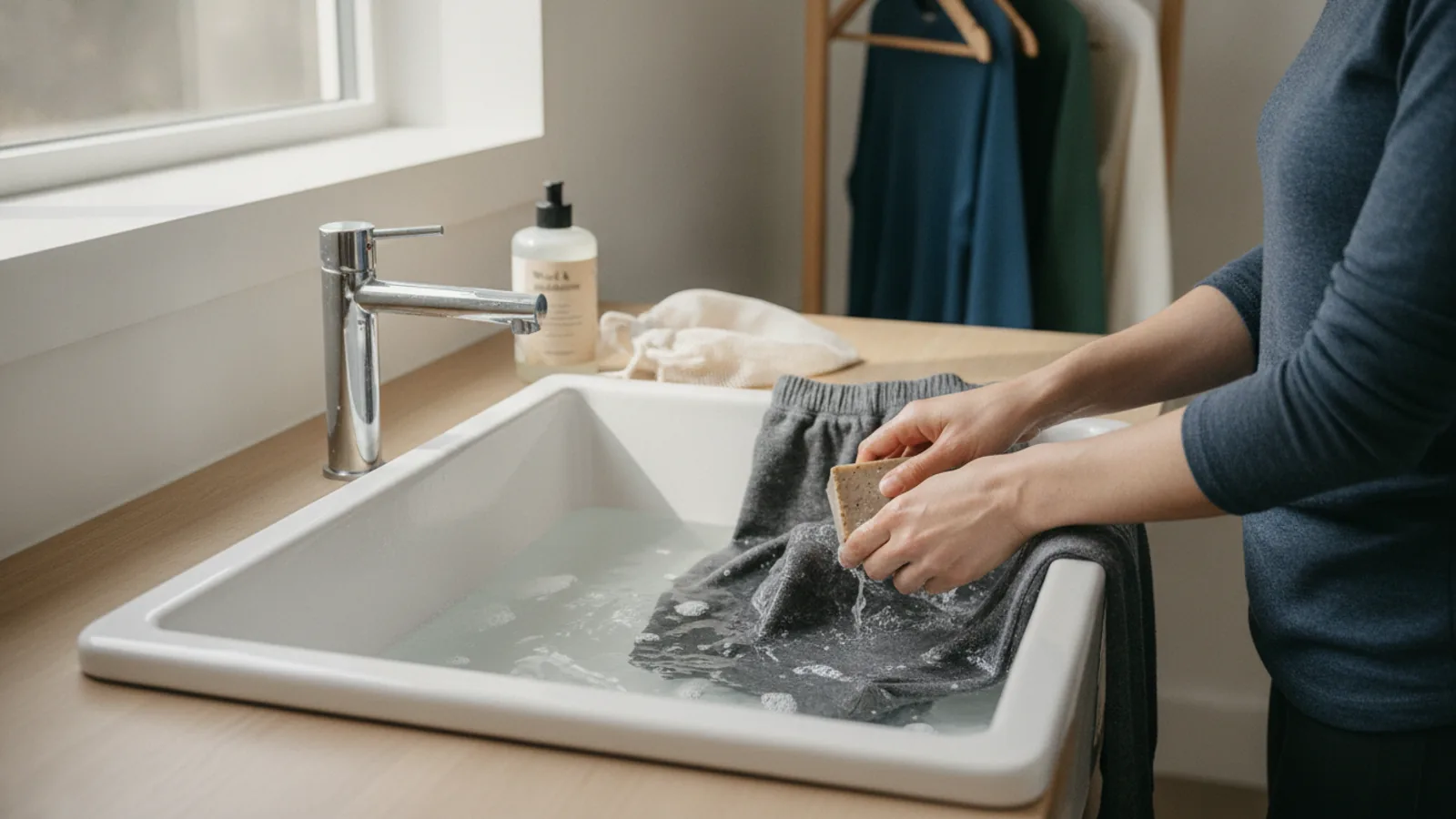
Start by clearing a clean sink or basin and filling it with cool water, ideally around 30 degrees Celsius or lower. Add a small amount of pH-neutral wool detergent, following the product instructions for the correct dose. Stir the water gently to mix the detergent without creating lots of foam. If you are using a washing machine, choose the wool or gentle cycle, set the temperature to cold, and select a low spin speed. Before placing the garment in the water, turn it inside out to protect the outer surface from friction. This preparation step matters because merino fibers are delicate and can be damaged by sudden temperature changes or harsh chemicals. A stable, cool environment helps keep the scales on the fibers flat, reducing the risk of felting.
Wash gently by hand or machine
Submerge the merino garment in the cool water and gently press it down to allow water to penetrate the fibers. Avoid rubbing, wringing, or twisting the fabric, as this causes friction that leads to felting. If hand washing, let it soak for about five minutes, then gently squeeze the water through the garment a few times. If using a machine, place the item in a mesh laundry bag and run the gentle cycle. After washing, rinse with cool water until no detergent remains. Do not use hot water for rinsing, as temperature shocks can shrink the wool. A practical check is to feel the water after rinsing; if it still feels slippery, continue rinsing. Rinsing thoroughly matters because leftover detergent can attract dirt and irritate sensitive skin.
Remove excess water without wringing
After rinsing, lift the garment from the water and gently squeeze it to remove some moisture. Do not wring or twist it, as this can stretch and damage the fibers. Lay the garment flat on a clean, dry towel and roll the towel up with the garment inside. Press down on the rolled towel to blot out excess water. You can also place the garment in a mesh bag and use the spin cycle of your washing machine on the lowest setting for a short time, but only if the care label allows it. The goal is to remove enough water so the garment dries faster without distorting its shape. A practical check is to see if the garment still drips; if it does, blot it again. Removing excess water carefully prevents stretching and helps maintain the original fit.
Dry flat away from heat
Lay the garment flat on a clean, dry towel or a drying rack, reshaping it to its original dimensions. Keep it away from direct sunlight, radiators, and other heat sources, as heat can shrink and damage the wool. Allow it to air dry at room temperature, which may take several hours or overnight. If you need to speed up drying, you can use a fan on a low setting, but never use a hair dryer or put it in a tumble dryer. A practical check is to feel the garment after a few hours; if it is still damp, turn it over to ensure even drying. Drying flat matters because hanging a wet merino garment can stretch it out of shape, and heat can cause irreversible felting. Patience here protects your investment.
Store clean and protected
Once the merino base layer is completely dry, fold it neatly and store it in a dry, well-ventilated place. Avoid hanging it for long periods, as the weight can stretch the shoulders and distort the shape. If you are storing it for the season, place it in a breathable cotton bag or a clean pillowcase to protect it from dust and moths. Do not use plastic bags, as they can trap moisture and lead to mildew. A practical check is to make sure the garment is fully dry before storing; any lingering dampness can cause odors or damage. Proper storage matters because merino wool is susceptible to moth damage, and a clean, dry environment discourages pests. This step ensures your base layer is ready to wear when you need it next.
Handle stains and odors promptly
Merino wool naturally resists odors, so you can often air out your base layer between wears instead of washing it. However, if you notice stains or persistent smells, treat them as soon as possible. For stains, gently dab the area with a clean cloth dipped in cool water and a small amount of wool detergent. Avoid rubbing, as it can spread the stain and damage the fibers. For odors, a short soak in cool water with a teaspoon of white vinegar can help neutralize smells, followed by a gentle wash. A practical check is to smell the garment after airing; if it still smells, wash it. Prompt treatment matters because stains and odors can set in over time, becoming harder to remove and potentially weakening the fibers. Regular care extends the life of your base layer.
Quick Reference
| Situation | Action | Why it helps |
|---|---|---|
| You need to wash a merino base layer but have no wool detergent. | Use a small amount of gentle shampoo or dish soap that is free of enzymes and bleach, and follow the same cool-water hand-wash method. | These alternatives are less likely to damage wool than regular laundry detergents, but they may not clean as effectively, so use them only in a pinch. |
| Your merino garment has a small stain from food or sweat. | Dab the stain with a cloth dipped in cool water and a little wool detergent, then rinse and wash the whole garment as usual. | Spot-treating prevents the stain from setting and spreading, while washing the entire item ensures no detergent residue remains. |
| You are short on time and want to machine wash your merino base layer. | Place the garment in a mesh laundry bag, use the wool cycle with cold water and low spin, then lay flat to dry. | The mesh bag reduces friction, and the gentle cycle minimizes agitation, which helps prevent felting and shrinkage. |
Common Issues
- The merino garment shrank after washing.: Shrinkage is usually caused by heat or agitation. To prevent it, always wash in cold water and avoid wringing or machine drying. If it has already shrunk, you can try soaking it in cool water with a little hair conditioner, then gently stretching it back to shape and laying flat to dry, but this may not fully restore the original size.
- The wool feels rough or scratchy after washing.: This can happen if you used a harsh detergent or hard water. Rinse the garment again with cool water and a small amount of white vinegar to remove residue. In the future, use a pH-neutral wool detergent and consider adding a wool conditioner to keep fibers soft. Avoid fabric softener, which coats the fibers and reduces breathability.
- The garment developed a hole or thin spot.: Moths or friction can cause holes. Check your storage area for moths and clean it thoroughly. For small holes, you can darn them with matching wool thread. To prevent future damage, store clean garments in breathable bags with natural repellents and avoid wearing your base layer against rough surfaces like Velcro.
Advanced Tips
- To maintain merino's natural odor resistance, air your base layer after each wear and wash it only when necessary, as over-washing can wear out the fibers faster.
- When hand washing, use a dedicated wool wash basin or a clean sink, and never wash merino with heavy items like jeans or towels, as the friction can cause pilling.
- For extra softness, add a small amount of hair conditioner to the final rinse water, but make sure it is free of silicones and oils that could clog the fibers.
Final Checklist
- Check the care label to confirm washing instructions and any temperature limits for your specific merino garment.
- Use a pH-neutral wool detergent and cool water, and avoid bleach, fabric softener, and enzymes.
- Wash gently by hand or on a wool cycle, then remove excess water by blotting with a towel, never by wringing.
- Lay flat to dry away from heat and direct sunlight, and store clean and dry in a breathable bag with moth protection.
FAQ
How often should I wash my merino base layer?
Merino wool resists odors and can be worn multiple times before washing. For everyday use, air it out between wears and wash it every three to five wears, or more often if you sweat heavily or get it dirty. Always follow the care label for specific guidance.
Can I put my merino base layer in the dryer?
No, you should never put merino wool in a tumble dryer, as the heat and agitation will cause it to shrink and felt. Always lay it flat to dry at room temperature, away from direct heat sources like radiators or sunlight.
What should I do if my merino base layer gets stretched out?
If your merino garment has stretched, you can try soaking it in cool water with a little wool detergent, then gently reshaping it to its original dimensions and laying it flat to dry. Avoid hanging it while wet, as this can cause further stretching. If the stretch is severe, it may not fully recover.