Cleaning A Tent After Camping
A practical step-by-step guide to cleaning a tent after camping, including preparation, instructions, common issues, tips, and next steps.

Cleaning A Tent After Camping
Camping trips leave tents carrying dirt, pollen, condensation, pine sap, and tiny grit that slowly weakens fabric coatings and invites mildew if the tent is stored damp. A calm, orderly cleaning routine protects the waterproof finish, keeps zippers gliding, and stops odors from building between trips. This guide walks through a safe full cleaning method using mild soap, soft tools, shade drying, and careful packing so your shelter stays ready for the next night outdoors without harsh chemicals or rushed shortcuts that damage seams.
Fast Answer
- For a quick refresh, shake out loose debris, wipe the floor and walls with a damp soft cloth and mild soap, then air-dry the tent fully in shade before packing it loosely.
- For a deep clean, set up the tent or lay it flat in shade, brush away grit, wash fabric gently by hand, rinse well, and dry completely inside and out before storage.
Before You Start
- Choose a shaded, clean work area such as a lawn, a large tarp, or a flat patio where the tent can lie open without touching mud or sharp objects.
- Gather mild liquid soap without bleach or fragrance, two soft cloths, a soft-bristled brush, a sponge, a bucket of cool water, and a hose or gentle water source.
- Remove stakes, poles, guy lines, and the footprint or groundsheet, then set small parts aside in one bag so nothing gets lost or tangled during washing.
- Check the care label or the manufacturer's printed instructions first, because some fabrics, coatings, and seam tapes need a gentler method than general washing.
Step-by-Step Instructions
Shake out and brush away loose debris
Turn the tent upside down and shake it gently so sand, pine needles, grass, and small stones fall away from the floor and corners. Use a soft-bristled brush or a dry cloth to sweep the inside floor, the door tracks, and the folds where grit hides. Work over a tarp or lawn rather than a driveway, because dragging the fabric across rough ground can scrape the coating. Pay extra attention to the corners and the area near the door, where campers step most often. After brushing, inspect the floor with your hand for leftover grit, and repeat until the surface feels smooth. This first dry step matters because loose particles act like sandpaper during washing and can grind tiny holes into the waterproof layer, which shortens the tent's life and lets water seep through later.
Mix a mild soap solution in cool water
Fill a bucket with cool water and add a small amount of mild liquid soap, stirring until the water feels slightly slippery rather than thick with suds. Too much soap leaves a residue that attracts dirt and can weaken coatings over time, so keep the mix light. Avoid hot water, bleach, dishwasher liquid, and laundry detergent, because these can damage the waterproof finish and seam tape. If the tent has a care label, read it again now and follow any specific direction it gives. Prepare a second bucket or a hose with plain cool water for rinsing. Having both the wash water and the rinse water ready before you start keeps the fabric from sitting wet with soap while you stop to fetch more water, which reduces the chance of streaks and residue left in the weave.
Wash the fabric gently by hand
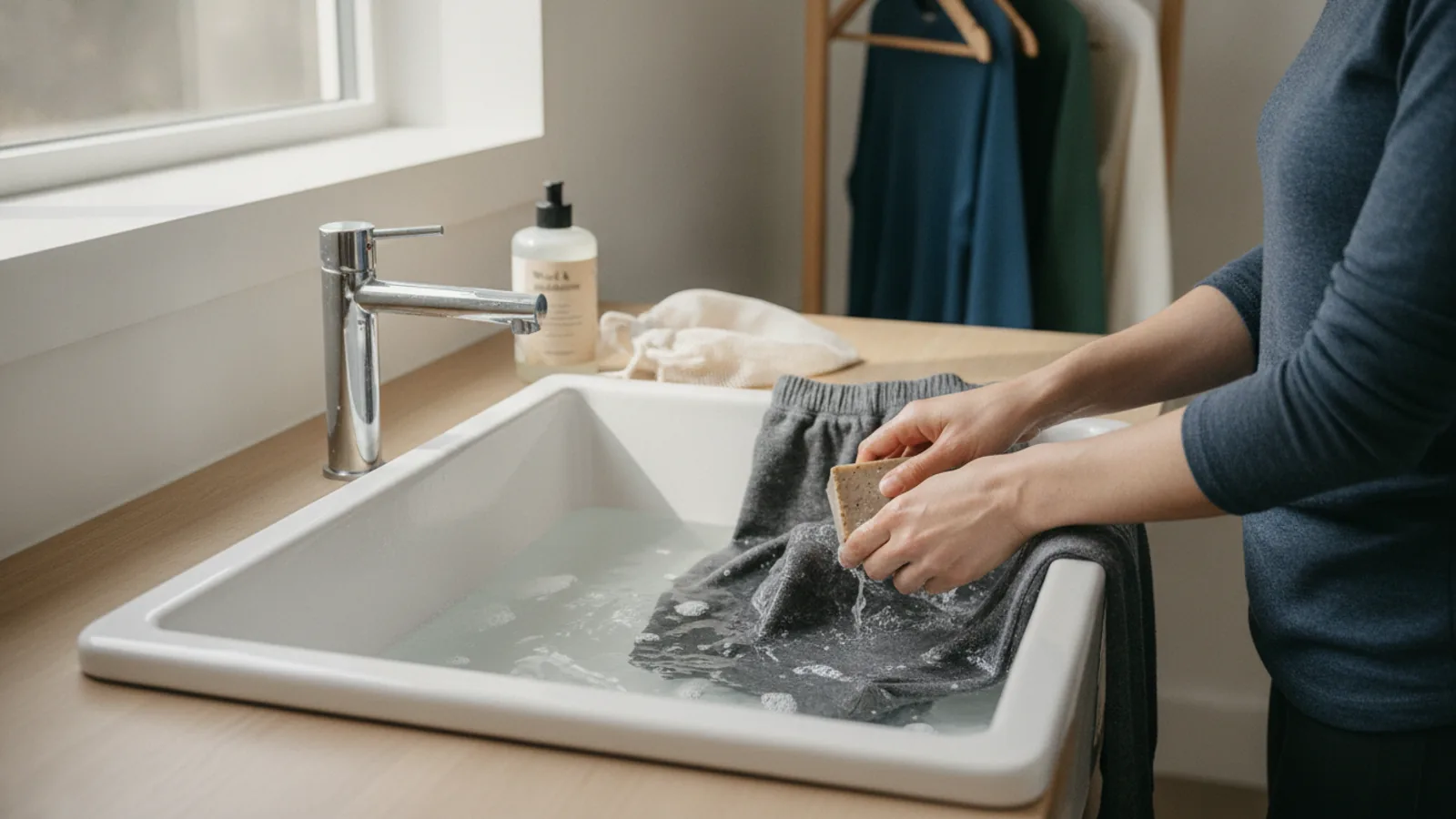
Dip a soft cloth or sponge into the mild soapy water, wring it out so it is damp rather than dripping, and wipe the tent walls, floor, and rainfly in small sections from top to bottom. Use light pressure and let the cloth do the work, because scrubbing hard pushes dirt deeper into the weave and can rub away the coating. For stubborn spots like dried mud or tree sap, hold the damp cloth on the spot for a minute, then wipe gently with a soft brush. Clean the door panels and mesh carefully with a very soft touch, since mesh tears easily. Work around the whole tent in a steady order so no panel is missed. Gentle hand washing protects the fabric structure and the water-repellent finish, which is exactly what keeps rain out and extends the shelter's useful life.
Rinse thoroughly with clean cool water
After washing each section, rinse it with plain cool water using a hose on a gentle setting, a clean wet cloth, or a bucket, until no soap slips remain. Soap residue is easy to miss because it dries clear, but it attracts new dirt and can leave a sticky film that holds moisture against the fabric. Start rinsing at the top and let water flow downward so it carries soap away from the tent instead of back into clean areas. Rinse the floor last, and check the corners and seams where suds tend to collect. If you see foam or feel a slick surface, rinse that spot again. Complete rinsing matters because trapped soap can break down waterproof coatings and seam tape over time, and it can also cause odors when the tent is folded and stored for weeks between camping trips.
Dry the tent fully in shade
Set up the tent or drape it over a clean line in a shaded, breezy spot, and let air move through it until every surface is completely dry. Open all doors, vents, and windows, and separate the rainfly from the body so air reaches both sides. Flip the tent and the fly partway through drying so hidden damp patches near seams and corners can dry too. Avoid direct hot sun, which can fade colors and stress coatings. Feel the fabric with your hand in several places, especially seams, corners, and the floor, since these dry last. Full drying is the single most important step, because packing even a slightly damp tent traps moisture that feeds mildew, creates a musty smell, and permanently stains and weakens the fabric before your next trip.
Fold, pack, and store the clean tent
Once the tent is bone dry, lay it flat and fold it loosely rather than pressing sharp creases into the same lines every time. Store the tent and rainfly in a breathable cotton or mesh storage bag instead of a tight stuff sack, because fabric needs a little airflow to stay fresh. Keep poles, stakes, and guy lines separate and dry, and wipe metal parts with a dry cloth before packing. Label the bag if you store several shelters. Place the bag in a cool, dry, dark place such as a closet shelf, away from damp floors and direct sunlight. Loose folding and breathable storage prevent permanent crease wear, block mildew growth, and keep the waterproof coating intact, so the tent unfolds clean and ready when the next camping trip begins.
Quick Reference
| Situation | Action | Why it helps |
|---|---|---|
| The tent smells musty or shows small dark spots after a damp trip | Set the tent up in shade, wash the affected areas with mild soap and cool water, rinse well, then dry it fully with all doors and vents open before storing it loosely in a breathable bag. | Musty odors and dark spots usually mean mildew has started in damp fabric, and gentle washing plus complete drying stops it from spreading and weakening the coating. |
| Zippers feel stiff or gritty and do not glide smoothly | Brush the zipper teeth with a dry soft brush to remove sand and dust, rinse with plain cool water, dry completely, then apply a small amount of zipper lubricant made for outdoor gear if the care label allows it. | Grit inside the teeth causes most zipper jams, and cleaning before lubricating prevents the lubricant from trapping abrasive particles that wear the zipper. |
| The tent is only lightly dusty and you want a fast refresh | Shake out loose debris, wipe the floor and walls with a damp cloth and a little mild soap, rinse with clean water, and air-dry in shade until every surface feels dry to the touch. | A light clean removes dust and odor without stressing the fabric, and full drying in shade protects the waterproof finish while preventing mildew between trips. |
Common Issues
- White powdery residue or chalky marks appear on the fabric after drying: Rinse the tent again with plain cool water to remove soap or mineral residue, dry it fully in shade, and next time use less soap and rinse each section more thoroughly.
- Mildew stains remain after a normal wash: Wash gently with mild soap and cool water, avoid bleach and harsh cleaners, dry completely in shade, and if the stain or smell persists, follow the tent maker's printed care instructions or contact their support for fabric-safe options.
- Water no longer beads on the rainfly and the fabric looks damp through: Clean the fly with mild soap, rinse well, dry fully in shade, and then apply a spray-on or wash-in water repellent made for outdoor fabrics, following the product label and the tent maker's care guidance.
Advanced Tips
- Wash the footprint or groundsheet separately, because it collects the most mud and grit and can scratch the tent floor if cleaned together in the same water.
- Use a dedicated soft brush for seams and corners, and rinse the brush between sections so you do not spread dirt from the floor onto clean walls.
- Re-treat the water-repellent finish only when water stops beading, and always test any product on a hidden patch before applying it to the whole tent.
Final Checklist
- Tent, rainfly, and footprint are completely dry on both sides, including seams and corners, before anything is packed.
- All loose sand, needles, and grit have been shaken or brushed out of the floor, corners, and zipper tracks.
- Mild soap was used with cool water, and every section was rinsed until no slippery residue remained.
- The tent is folded loosely, stored in a breathable bag, and placed in a cool, dry, dark spot away from damp floors.
FAQ
How often should I clean a tent?
Clean the tent after any trip where it collected mud, sand, sap, or heavy condensation, and give it a light airing after short dry trips. A full wash is usually needed once or twice a season for regular campers, or sooner if you notice odors, sticky spots, or stiff zippers. Always check the tent maker's care instructions, because some fabrics and coatings prefer less frequent washing.
Can I put a tent in a washing machine?
Most tent makers advise against machine washing because the agitation, heat, and detergent can strip waterproof coatings, damage seam tape, and tear mesh panels. Hand washing with mild soap and cool water is safer and gives you control over pressure on seams and zippers. Read the care label first, and if it allows a machine method, follow its exact settings and detergent guidance for that specific tent.
What should I do if the tent still smells after cleaning?
Set the tent up in shade with all doors and vents open and let it air out for a full day, because trapped moisture is the usual cause of lingering odor. If the smell remains, wash again with mild soap, rinse thoroughly, and dry completely before storing it loosely in a breathable bag. Check the care label or the maker's support page for fabric-safe mildew guidance if the odor persists.