Camp Stove Buying Considerations
A practical step-by-step guide to camp stove buying considerations, including preparation, instructions, common issues, tips, and next steps.
Camp Stove Buying Considerations
A camp stove is a critical piece of outdoor gear, and choosing the right one requires balancing fuel type, size, weight, cooking power, and safety features. This guide walks you through key considerations so you can select a stove that fits your trips, cooking style, and group size, ensuring reliable meals in the outdoors.
Fast Answer
- Match the stove to your fuel preference and trip length, then test it in a safe outdoor spot before you rely on it.
- Prioritize stability, easy ignition, and simple maintenance; these traits matter more than fancy extras for most campers.
Before You Start
- List the number of people you usually cook for and the types of meals you prepare, from boiling water to simmering sauces.
- Decide which fuel type you prefer: canister, liquid, alcohol, or solid fuel, and check what is readily available in your region.
- Consider the weight and packed size of the stove relative to your mode of travel, whether backpacking, car camping, or emergency prep.
- Review your cooking pots and pans to ensure they will sit securely on the stove's supports without tipping.
Step-by-Step Instructions
Identify Your Cooking Needs and Group Size
Start by thinking about how many people you typically cook for and what kinds of meals you make. A solo backpacker may only need to boil water, while a family of four might require a stove that can simmer a large pot of chili. Write down your most common cooking tasks, such as boiling, frying, or simmering, and note the size of your largest pot. This helps you determine the necessary burner power and pot support diameter. Next, consider the frequency and duration of your trips. A weekend camper has different needs than someone on a two-week expedition. Also, think about the altitude and weather conditions you expect; windy or cold environments demand a stove with good wind protection and reliable performance. By clarifying these needs, you narrow down the field and avoid buying a stove that is too small, too large, or ill-suited for your adventures.
Choose a Fuel Type That Suits Your Trip
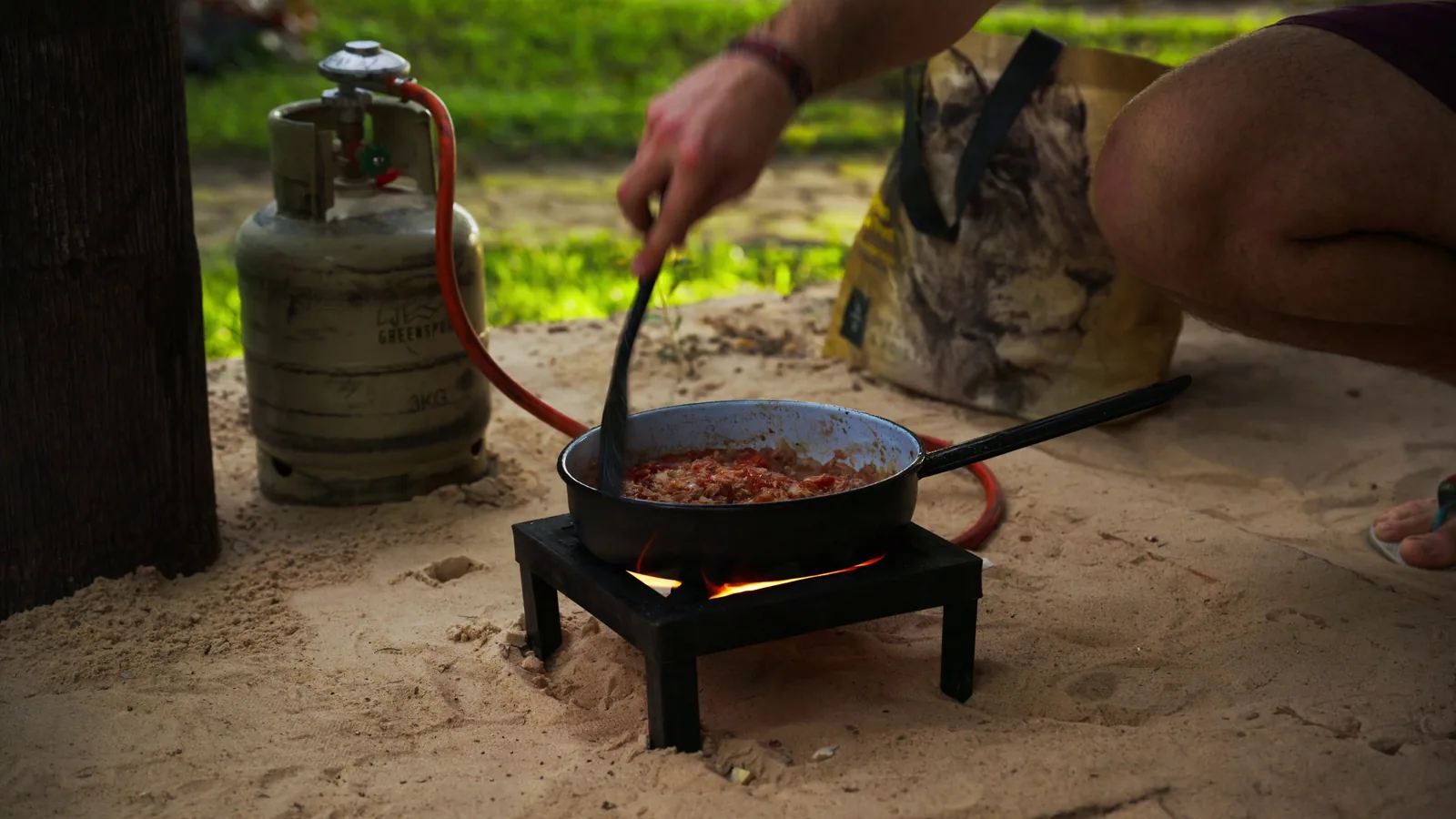
The fuel type is a major decision because it affects availability, performance, and ease of use. Canister stoves use pressurized gas and are simple to operate, but canisters can be hard to find in remote areas and perform poorly in cold weather. Liquid fuel stoves, which burn white gas or similar fuels, work well in cold conditions and at altitude, but they require priming and more maintenance. Alcohol stoves are lightweight and quiet, but they have lower heat output and can be sensitive to wind. Solid fuel tablets are convenient for emergencies but offer limited cooking control. Think about where you will travel and what fuel you can reliably resupply. If you are flying, check regulations for carrying fuel. Also, consider the stove's ease of lighting and whether it can simmer. Your choice should align with your cooking style and the environments you frequent. Test your stove with the chosen fuel before your trip to ensure you are comfortable with its operation.
Evaluate Size, Weight, and Packability
The physical dimensions and weight of a camp stove matter, especially for backpacking or any activity where you carry your gear. A lightweight stove might be a priority if you hike long distances, but it may sacrifice stability or cooking power. Conversely, a larger, heavier stove can offer better performance and durability for car camping. Measure the packed size and compare it to your available space in your pack or vehicle. Consider how the stove folds or nests with your cookware. Some stoves integrate with specific pot systems, which can save space but limit versatility. Also, think about the weight of fuel; a stove that uses heavy fuel canisters may become burdensome over a long trip. Look for a stove that balances weight and functionality for your typical adventure. If you often switch between backpacking and car camping, you might consider owning two stoves or one versatile model that adapts to different situations. Read user reviews to understand real-world packability and weight.
Check Stability, Pot Supports, and Wind Resistance
A stove that tips over can ruin a meal and create a safety hazard. Test the stove's stability by setting your largest pot on it and gently nudging it. The pot supports should be wide enough and have a textured surface to grip the pot securely. Look for a low center of gravity; stoves that sit close to the ground are less likely to tip. Wind resistance is another critical factor because wind steals heat and can extinguish the flame. Many stoves have built-in wind shields or come with a separate windscreen, but be cautious: some manufacturers warn against using a windscreen that encloses the fuel canister, as it can cause overheating. If you often cook in windy conditions, consider a stove with a recessed burner or an integrated windshield. Also, check that the stove's legs or base are sturdy and will not sink into soft ground. A stable, wind-resistant stove makes cooking safer and more enjoyable, especially when you are tired after a long day.
Assess Ignition, Controls, and Simmering Ability
How a stove ignites and controls the flame affects everyday use. Push-button igniters are convenient, but they can fail; always carry a backup lighter or matches. Manual lighting with a match or lighter is reliable but requires access to the burner. The control valve should allow precise adjustment from a rolling boil to a gentle simmer. Test this by lighting the stove and trying to hold a low flame without it going out. A stove that only has high heat limits your cooking options. Also, consider the valve's location; a valve that is close to the burner may be hot to touch. Some stoves have a wire lever that is easier to manipulate with cold hands or gloves. If you plan to cook more than just water, simmering is essential. Read the manufacturer's specifications and user feedback about simmer control. A stove with good flame adjustment lets you cook a wider variety of meals and saves fuel. Before your trip, practice lighting and adjusting the flame so you are confident in the dark or bad weather.
Plan for Maintenance, Durability, and Safety Features
Camp stoves need occasional cleaning and maintenance to work reliably. Choose a stove that is easy to disassemble and clean, with accessible parts like the burner head and fuel line. Check if replacement parts are available, such as O-rings and seals, because these wear out over time. Durability matters: a stove made from stainless steel or brass may last longer than one with plastic components, but weight is a trade-off. Safety features like an overpressure release valve or a fuel shut-off mechanism can prevent accidents. Also, consider the stove's warranty and the manufacturer's reputation for customer support, though avoid relying solely on marketing claims. Read the manual for maintenance intervals and always follow safety guidelines. Before each trip, inspect the stove for leaks, cracks, or worn seals. A well-maintained stove performs better and reduces the risk of malfunction in the field. Keep a small repair kit with spare parts and tools that fit your stove.
Quick Reference
| Situation | Action | Why it helps |
|---|---|---|
| You are backpacking in cold weather and need reliable performance. | Choose a liquid fuel stove and practice priming it before your trip, and carry a backup ignition source. | Liquid fuel stoves operate better in cold temperatures and at altitude, while canister stoves can lose pressure. |
| You are car camping with a large group and want to cook big meals. | Select a two-burner propane stove with wide pot supports and a built-in windscreen. | A larger stove offers stability and the ability to cook multiple dishes simultaneously, saving time and fuel. |
| You want a lightweight stove for solo trips where every ounce counts. | Pick an integrated canister stove with a built-in pot and igniter, and test it at home to ensure it suits your cooking style. | Integrated systems are compact and efficient, but they limit the cookware you can use, so verify compatibility with your meals. |
Common Issues
- The stove flame sputters or goes out in wind.: Use a windscreen that allows proper ventilation, or move to a more sheltered spot. Check that the fuel canister is not too cold; warm it slightly by placing it inside your jacket, but never over an open flame.
- The stove will not light or the igniter fails.: Replace the igniter with a manual lighter or matches. Clean the burner head with a small brush to remove debris. If using liquid fuel, ensure the stove is properly primed and the fuel line is not clogged.
- The stove is unstable and pots slide off.: Check that the pot supports are fully extended and locked. Use a pot with a flat bottom that matches the support size. If the ground is uneven, clear a level area or place the stove on a stable surface like a flat rock.
Advanced Tips
- Learn to estimate fuel consumption by timing how long a full canister lasts at your typical flame setting, then plan accordingly.
- Make a custom heat reflector from aluminum foil to direct heat upward and reduce fuel use in cold conditions.
- Practice lighting your stove in windy or wet conditions before a trip, so you can troubleshoot calmly in the field.
Final Checklist
- Confirm the stove is compatible with the fuel you can reliably obtain at your destination.
- Test the stove's ignition, flame control, and stability with your actual cookware before departure.
- Pack a repair kit with spare O-rings, a cleaning tool, and a backup lighter or matches.
- Review safety guidelines, including proper ventilation and never using the stove in an enclosed space.
FAQ
Can I use a camp stove inside a tent?
No, never use a camp stove inside a tent, vehicle, or any enclosed space. Burning fuel produces carbon monoxide, an odorless gas that can be fatal. Always cook outdoors in a well-ventilated area, away from flammable materials, and follow the manufacturer's safety instructions.
How do I choose between a canister and liquid fuel stove?
Consider your typical conditions and cooking needs. Canister stoves are easy to use and good for three-season camping, but they lose pressure in cold weather. Liquid fuel stoves perform well in cold and at altitude but require priming and more maintenance. Check fuel availability in your area and test both types if possible before deciding.
What should I check before using a new camp stove?
Before using a new stove, read the manual thoroughly. Check all connections for leaks by applying soapy water and looking for bubbles. Test the ignition system and flame control outdoors in a safe area. Ensure the stove is stable with your cookware. Practice lighting and simmering so you are familiar with its operation before your trip.