Camping Pillow Buying Guide
A practical step-by-step guide to camping pillow buying guide, including preparation, instructions, common issues, tips, and next steps.
Camping Pillow Buying Guide
A good camping pillow can transform a restless night outdoors into deep, restorative sleep. This guide helps you choose the right pillow for your sleep position, pack size, and adventure style. You will learn what to check, how to test, and when to compromise so you wake up ready for the trail.
Fast Answer
- Match pillow height and firmness to your sleep position: side sleepers need thicker, firmer support; back sleepers prefer medium loft; stomach sleepers need a thin, soft pillow.
- Weigh packed size against comfort: inflatable pillows pack tiny but may feel bouncy, while compressible foam offers familiar support at the cost of bulk.
Before You Start
- Measure your packed space: know the exact dimensions of your pack or storage area to avoid buying a pillow that will not fit.
- Identify your primary sleep position at home: side, back, stomach, or combination determines the height and firmness you need for proper alignment.
- Set a realistic comfort budget: decide how much weight and volume you are willing to carry for better sleep.
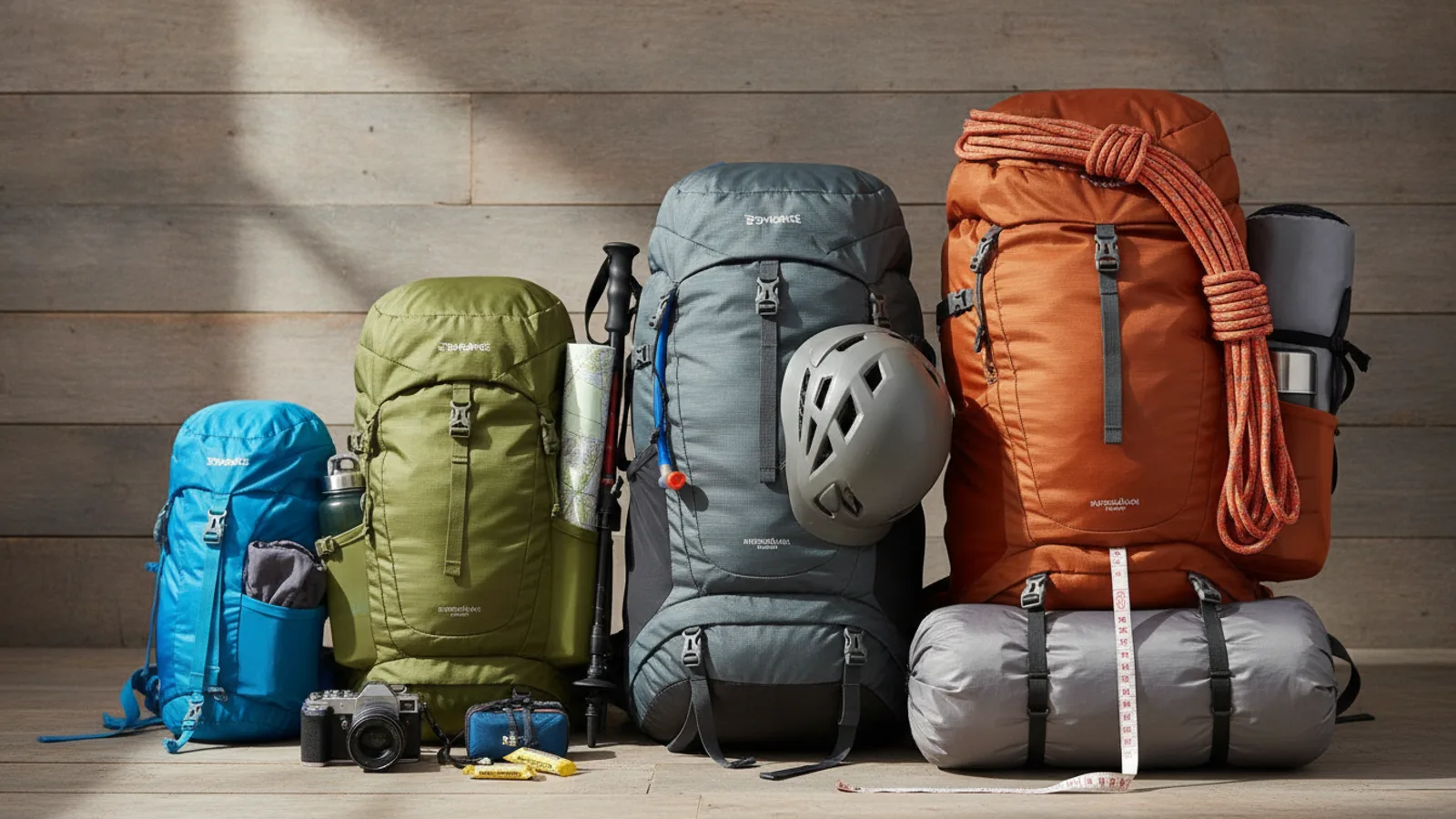
- Gather test materials: a tape measure, a backpack, and a water bottle to simulate real-world packing and pressure tests.
Step-by-Step Instructions
Assess Your Sleep Position
Start by observing how you sleep at home. Lie on your side, back, and stomach for a few minutes each. Notice where your neck feels strain or ease. Side sleepers need a pillow thick enough to fill the gap between the head and the sleeping surface, keeping the spine neutral. Back sleepers usually need medium loft that supports the natural curve of the neck without pushing the chin forward. Stomach sleepers need a very thin or almost flat pillow to avoid neck twist. Write down your dominant position and any pressure points. This matters because a pillow that is too high or too low can cause headaches, numbness, and poor sleep. A practical check is to have someone watch your ear, shoulder, and hip alignment from the side. If they line up, you have found your target height.
Compare Inflation and Foam Types
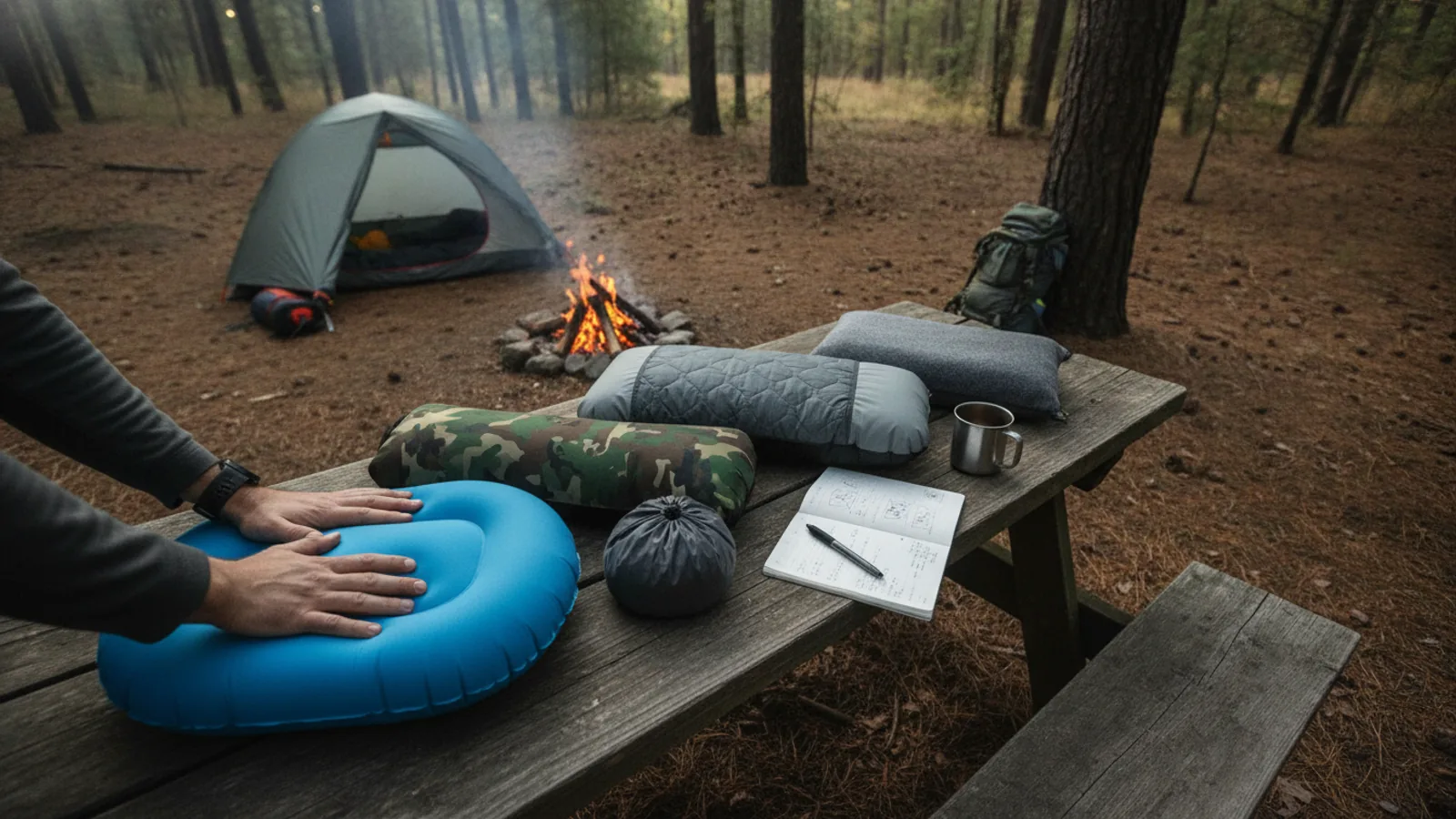
Camping pillows fall into three main types: inflatable, compressible foam, and hybrid. Inflatable pillows pack down to the size of a fist and let you adjust firmness with air. They can feel bouncy and may shift during the night. Compressible foam pillows offer the familiar feel of home but take up more pack space and weight. Hybrids combine a foam layer with an air chamber for support and adjustability. Test each type by pressing your palm into the center and edges. Check for bottoming out, where your hand reaches the sleeping mat. A practical check is to inflate or unpack the pillow, then lie on it for ten minutes in your sleeping position. This matters because short showroom tests miss slow leaks and pressure points that appear after an hour. Choose the type that matches your priority: absolute packability or consistent comfort.
Measure Packed Size and Weight
Before buying, measure the packed dimensions of your current gear and the space left in your pack. Use a tape measure to record length, width, and height of the pillow when compressed or deflated. Weigh it on a kitchen scale if possible. Compare that to the spot where you plan to store it, such as a top lid or side pocket. A practical check is to place a similar-sized object, like a folded shirt, into that space and close the pack. This matters because a pillow that does not fit will be left behind or force you to rearrange everything. Also consider the pillow’s inflated size: it should be wide enough to support your head without your ear touching the ground. Write down both packed and inflated measurements. Then rank pillows by how well they balance those numbers against your comfort needs.
Test Valve and Inflation Ease
If you choose an inflatable or hybrid pillow, examine the valve carefully. Look for a wide opening that lets air escape quickly when deflating, and a seal that closes securely. Practice inflating the pillow with your breath several times. Note how many breaths it takes and whether the valve stays open or closed during inflation. A practical check is to inflate the pillow fully, close the valve, and press down hard with your hand for thirty seconds. Then listen and feel for air leaks around the seal. This matters because a slow leak will leave you flat by morning, and a stiff valve is frustrating in cold or dark conditions. Also check if the pillow includes a built-in pump or requires a separate pump sack. If it uses a pump sack, make sure you understand how to attach it. Test the entire inflation and deflation cycle at least three times before your trip.
Evaluate Surface and Washability
The fabric against your face affects comfort and hygiene. Look for a soft, breathable top surface that does not feel slick or noisy. Many pillows use brushed polyester or microfiber for a gentle feel. Check the bottom surface for grip: a textured or silicone-dotted base keeps the pillow from sliding off a slick sleeping pad. A practical check is to place the pillow on your sleeping pad and push it side to side. If it slides easily, you may need a pillow with a strap or a non-slip base. Next, review cleaning instructions. You will sweat and drool on the pillow, so it should be easy to wipe down or machine wash. Removable covers are ideal. This matters because a pillow that cannot be cleaned becomes a source of odors and skin irritation. Confirm whether the cover is removable and whether the inner core can be spot cleaned.
Do a Backyard Overnight Test
Before trusting a new pillow on a real adventure, spend one night sleeping on it at home or in your backyard. Set up your full sleep system: pad, quilt or bag, and the pillow. Sleep in your normal position and note any discomfort, shifting, or deflation. In the morning, check for leaks, seam stress, or flattened foam. A practical check is to measure the pillow’s height before and after the night. If it lost significant loft, it may not suit your needs. This matters because a pillow that feels fine for ten minutes can become a pain after several hours. Also test how the pillow behaves when you roll over. Does it stay in place? Does it make noise? If you wake up with neck pain, try adjusting the inflation or adding a layer under the pillow. Repeat the test with any changes until you sleep comfortably.
Quick Reference
| Situation | Action | Why it helps |
|---|---|---|
| You are a side sleeper who wakes with neck pain | Choose a thicker pillow, inflate it fully, and place a folded jacket under the pillow if needed to raise the height until your ear, shoulder, and hip align. | Side sleepers need more loft to fill the gap between the head and the sleeping surface, which keeps the spine neutral and reduces pressure on the neck. |
| You have very limited pack space and prioritize ultralight travel | Select an inflatable pillow that packs to a small size, and test it at home by inflating it to a firmness that supports your head without bottoming out. | Inflatable pillows save significant pack volume and weight, but you must confirm they provide enough support for your sleep position before relying on them outdoors. |
| You move around a lot during sleep and your pillow slides off the pad | Look for a pillow with a non-slip base, straps, or a sleeve that attaches to your sleeping pad, and test the grip by pushing it side to side on your pad. | A sliding pillow disrupts sleep and can end up on the ground, so a secure attachment or high-friction surface keeps support in place all night. |
Common Issues
- The pillow slowly deflates overnight, leaving your head nearly on the ground: Inflate the pillow fully, close the valve, and submerge it in water to look for bubbles around the valve and seams. If you find a leak, use the repair patch or tape provided. If no leak is visible, the valve may not seal properly; clean it and check for debris. As a temporary fix, reinflate the pillow just before sleep and avoid overinflating, which can stress seams.
- The pillow feels too firm or too soft no matter how you adjust it: For inflatable pillows, try inflating to about eighty percent and then adding or releasing small amounts of air until your head is supported with your neck in a neutral line. For foam pillows, you can remove or add layers if the cover allows. If the pillow is still uncomfortable, consider a hybrid design or place a folded garment under the pillow to fine-tune height without changing firmness.
- The pillow surface feels slippery or makes noise when you move: Place a soft t-shirt or pillowcase over the pillow to reduce noise and improve the feel against your skin. If the pillow slides on your sleeping pad, put a non-slip mat or a piece of shelf liner under it. You can also look for a pillow model with a brushed fabric top and a grip-enhanced bottom. For long trips, a removable cover that you can wash will also keep the surface fresh and comfortable.
Advanced Tips
- Use a pillow liner or a clean stuff sack as a pillowcase to keep the surface free of oils and sweat, which helps the pillow last longer and feel fresher.
- For cold-weather camping, inflate your pillow inside your sleeping bag before bed so the air inside warms up and feels less shocking against your face.
- If you use a quilt or sleeping bag with a hood, you can stuff extra clothing into the hood to create a custom pillow shape that saves weight and pack space.
Final Checklist
- Confirm the pillow’s packed size fits your pack or storage space and that its inflated size supports your head without your ear touching the ground.
- Test the valve or inflation system at least three times, checking for leaks, easy deflation, and a secure seal that holds air overnight.
- Sleep one full night on the pillow in your backyard or at home to verify comfort, alignment, and durability before a major trip.
- Check that the pillow surface is comfortable against your skin and that the cover or surface can be cleaned easily after use.
FAQ
How do I choose the right pillow height for my sleep position?
Lie on your side, back, and stomach at home and have someone check that your ear, shoulder, and hip are aligned. Side sleepers generally need a thicker pillow to fill the gap between the head and the sleeping surface. Back sleepers need medium loft to support the neck’s curve. Stomach sleepers need a very thin pillow to avoid twisting the neck. Adjust inflation or add layers until your spine feels neutral. If you wake with neck pain, the pillow is likely too high or too low.
Are inflatable pillows less comfortable than foam pillows?
Inflatable pillows can feel bouncy and may shift, but they pack very small and let you adjust firmness. Foam pillows feel more like home and offer consistent support, but they are heavier and bulkier. Hybrid pillows combine both for a balance. Comfort depends on your sleep position and personal preference. Test both types by lying on them for at least ten minutes in your normal position. Many people find that a slightly under-inflated inflatable pillow or a foam pillow with a soft cover works best for them.
How should I clean and store my camping pillow?
Check the manufacturer’s instructions for your specific pillow. Most inflatable pillows can be wiped with a damp cloth and mild soap, while foam pillows often have removable covers that can be machine washed. Always dry the pillow completely before storing to prevent mold. Store inflatable pillows partially inflated with the valve open to avoid cracking, and keep foam pillows in a dry, cool place away from direct sunlight. Never store a damp pillow in a stuff sack for long periods, as that can cause odors and fabric damage.